
Affordable Housing in Omaha: Strengthening Our Community Through Stability
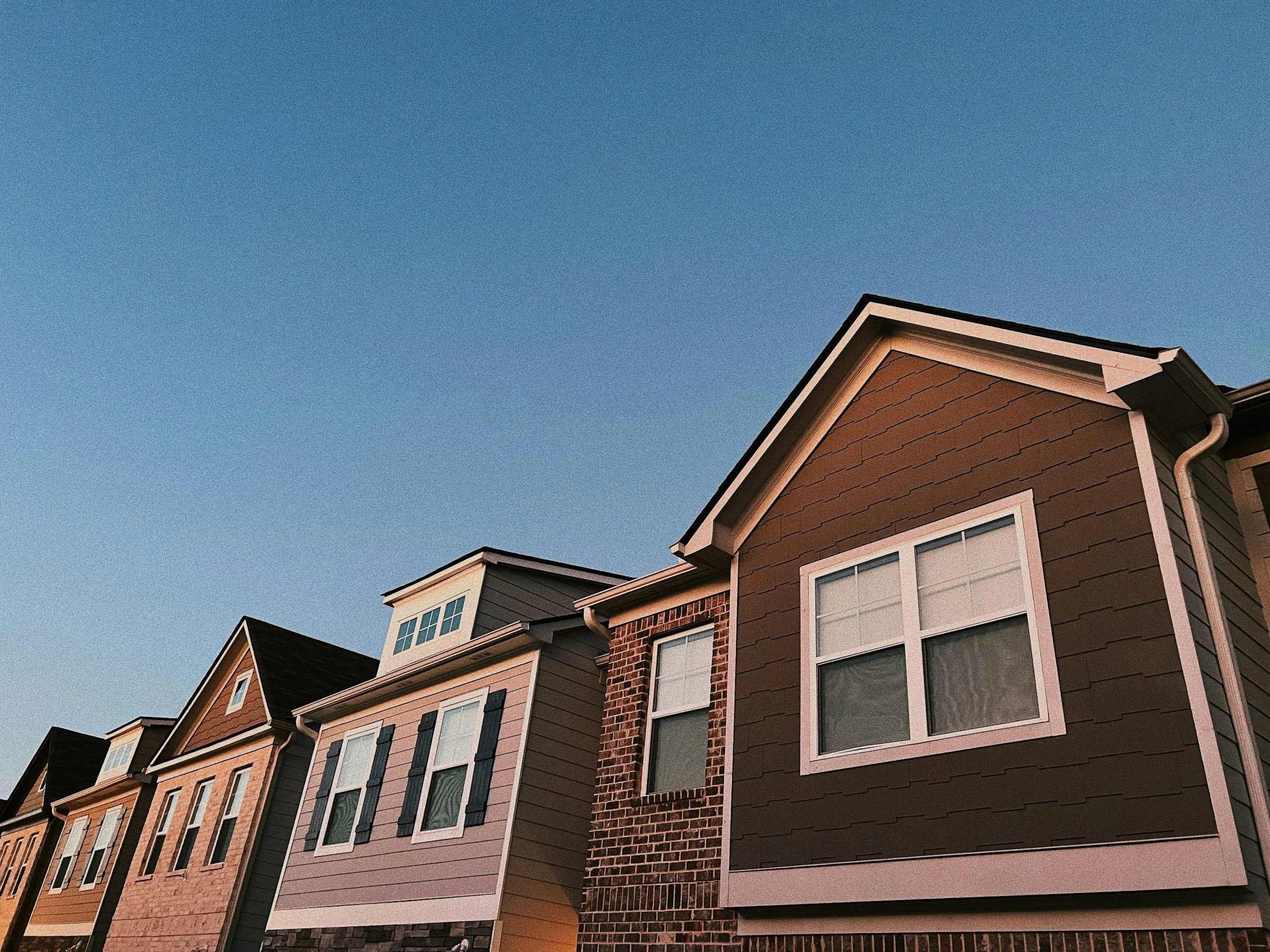
As the leader of the Continuum of Care (CoC) serving Douglas, Sarpy, and Pottawattamie Counties, we coordinate our region’s response to homelessness, but lasting solutions require more than emergency shelter. They require a strong and sustainable supply of affordable housing.
Housing affordability is one of the most urgent issues facing our community. Rising rents, limited inventory, and wages that have not kept pace with housing costs put increasing pressure on working households. When families cannot find housing that meets affordability standards, the risk of housing instability and homelessness rises.
What is Affordable Housing?
Under guidelines from the US Department of Housing and Urban Development (HUD), housing is considered affordable when a household spends no more than 30% of its gross income on rent and utilities. When costs exceed 30%, families are considered cost-burdened. When housing costs surpass 50% of income, households are considered severely cost-burdened. This definition shapes federal housing programs, rental assistance eligibility, affordable housing development, and homelessness prevention strategies.
The Reality of Omaha Rent Prices
Current market data shows that the average rent in Omaha is approximately:
$1,102 per month for a one-bedroom apartment
$1,405 per month for a two-bedroom apartment
$1,680 or more per month for a three-bedroom apartment
To afford a one-bedroom apartment at $1,102 per month without being cost-burdened, a household must earn at least $44,000 per year. For a two-bedroom unit, the required income climbs closer to $56,000 per year.
These figures highlight the disconnect between wages and Omaha housing costs, especially for essential workers who keep our community running.
Can Essential Workers Afford Housing in Our Tri-county Area?
Affordable and accessible housing solutions are not just about the physical structure. They are about both people who are currently experiencing homelessness and working individuals who face housing insecurity. We are talking about teachers, healthcare workers, and first responders who serve our community every day.
Public school teachers in Nebraska earn an average annual salary of about $42,800. At this income level, a one-bedroom apartment at the average Omaha rent consumes just over 30% of gross income. Additional costs such as utilities, student loans, childcare, or transportation are not included.
Certified Nursing Assistants (CNAs) in the Omaha metro earn approximately $39,900 per year. At current rental rates, many CNAs spend well above 30% of their income on housing, placing them firmly in cost-burdened territory.
On average, Emergency Medical Technicians (EMTs) earn about $25.69 per hour, or roughly $53,400 annually if working full time. While this income comes closer to affordability benchmarks for a one-bedroom apartment, larger units or homes for families can quickly push housing costs beyond the 30% threshold.
The people doing the hardest work to end homelessness often can't afford a home themselves. According to the National Alliance to End Homelessness, the average emergency shelter employee earns just $27,830 annually, permanent housing staff fare slightly better at $42,912. Even in Omaha, these nationwide averages do not meet the $44,000 per year threshold to affordably pay for one-bedroom housing. When the people tasked with housing others are one crisis away from housing instability, it signals that area median income benchmarks and housing costs have outpaced what the sector is investing in the workforce.
Coordinated Action
Expanding affordable housing across our CoC requires coordinated action that centers the voices of people with lived experience to ensure that policies reflect real needs. This includes:
· Developing and preserving affordable rental housing
· Increasing access to affordability programs and housing vouchers
· Investing in permanent supportive housing
· Strengthening eviction prevention efforts.
Affordable housing is foundational to a strong, resilient community. When families can secure safe housing that aligns with their income, they can focus on building futures that allow them to contribute to the entire community.